Show Notes
How do you measure human progress? Light is the answer.
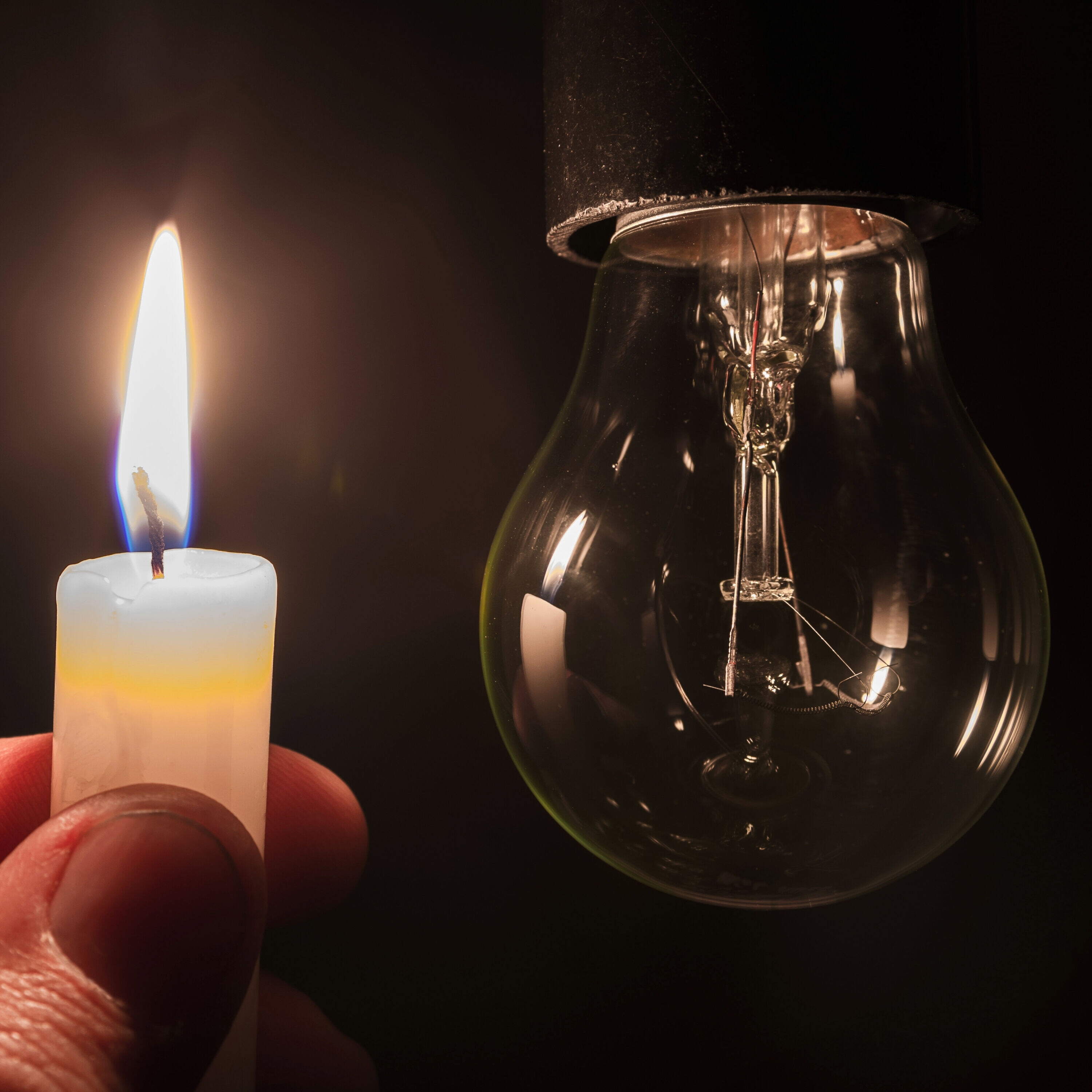
For thousands of years, getting light was a huge hassle. You had to make candles from scratch. This is not as romantic as it sounds. You had to get a cow, raise the cow, feed the cow, kill the cow, get the fat out of the cow, cook the fat, dip wicks into the fat. All that — for not very much light. Now, if we want to light a whole room, we just flip a switch.
Nobel-winning economist Bill Nordhaus passed away last week. He was known for his work on the economics of climate change, but he also came up with this idea that the history of light explains reveals why the world today is the way it is. It explains why we aren't all subsistence farmers, and why we can afford to have artists and massage therapists and plumbers. (And, yes, people who make podcasts about the history of light.) The history of light is the history of economic growth — of things getting faster, cheaper, and more efficient. It shows us the pie can get bigger, sometimes, there can be a type of progress where everyone is better off.
On today's show, one of our all time favorites: How we got from dim little candles made out of cow fat, to as much light as we want at the flick of a switch, and how that is a measure of what economic progress means.
(Note: This episode originally ran in 2014.)
Read:
- Our weekly longform Planet Money newsletter
- Our weekly Indicator round-up newsletter
Follow:
Support public media with NPR+ and enjoy perks for over 25 podcasts like this one. This show’s perks include bonus episodes and sponsor-free listening. Learn more at plus.npr.org.
Today's show was hosted by Jacob Goldstein and David Kestenbaum. It was originally produced by Caitlin Kenney and Damiano Marchetti. Today's rerun was produced by Sam Yellowhorse Kesler. Alex Goldmark is Planet Money's executive producer.
See pcm.adswizz.com for information about our collection and use of personal data for sponsorship and to manage your podcast sponsorship preferences.